The Scottish Origins of Stonehenge's Altar Stone: Unraveling a 466-Mile Ancient Mystery
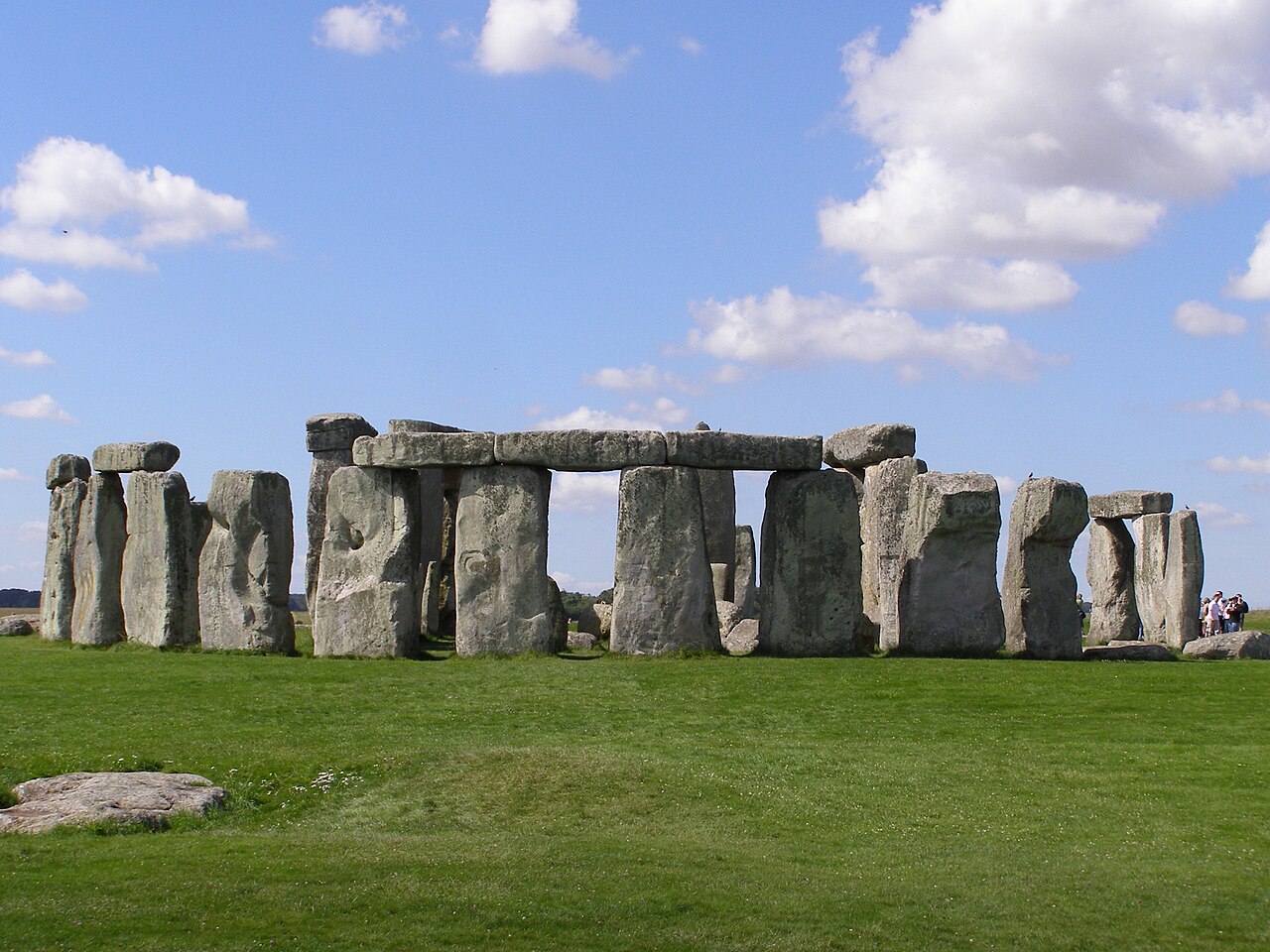
Stonehenge, that iconic prehistoric monument standing proudly on Salisbury Plain in Wiltshire, England, has captivated imaginations for millennia. Its colossal sarsen stones and enigmatic bluestones whisper tales of ancient rituals, astronomical alignments, and Herculean feats of engineering. Yet, amidst these familiar wonders lies a lesser-known, truly astonishing secret: the epic
Stonehenge journey Scotland, specifically regarding its crucial Altar Stone. While many stones were sourced locally or from the Preseli Hills in Wales, the Altar Stone, a cornerstone of this ancient wonder, embarked on an unfathomable 466-mile odyssey from the rugged landscapes of Scotland. This isn't just a tale of moving rocks; it's a testament to the ingenuity, determination, and perhaps profound spiritual beliefs of Neolithic people, challenging our modern perceptions of their capabilities.
The Marvel of Stonehenge: More Than Just Local Sourcing
Before delving into the extraordinary
unraveling the 466-mile Scottish journey of Stonehenge's Altar Stone, it's essential to appreciate the broader context of Stonehenge's construction. The monument, built in several stages stretching over 1,500 years, primarily features two types of stone:
- Sarsen Stones: These massive sandstone blocks, some weighing up to 50 tons, form the iconic outer circle and trilithons. Archaeological evidence indicates they were transported approximately 19 miles (30 kilometers) from Marlborough Downs, a relatively local source. While still a monumental task, it pales in comparison to other stones.
- Bluestones: Smaller, but equally significant, these volcanic and igneous rocks, weighing between 2-5 tons, were traced to the Preseli Hills in Pembrokeshire, Wales – a journey of about 140-180 miles. The effort required to move these stones, whether by land, sea, or a combination, remains a subject of intense archaeological debate and admiration.
However, it is the Altar Stone, distinct from both sarsens and the typical Welsh bluestones, that holds a unique place in this narrative of ancient procurement. Geologically identified as a form of sandstone called Cosheston Group sandstone, its composition points unequivocally towards a northern British origin. The sheer scale of the 466-mile transport from Scotland for this singular, most prominent non-sarsen stone at the heart of the monument speaks volumes about its perceived importance. This particular stone was not merely functional; it was likely imbued with immense symbolic and sacred value, driving ancient communities to undertake a logistical challenge that remains staggering even by today's standards.
Imagine a time without wheels, cranes, or even proper roads. Now, picture moving a stone of significant size and weight (though its exact original dimensions are debated, it’s believed to be the largest non-sarsen stone, potentially weighing several tons) across nearly 500 miles of varied, often challenging, terrain. This is the incredible story of the Altar Stone's
unraveling the 466-mile Scottish journey of Stonehenge's Altar Stone. The journey would have been an unprecedented undertaking, requiring immense human effort, meticulous planning, and profound endurance from the Neolithic people.
While the precise methods remain speculative, archaeologists and engineers have proposed several plausible scenarios for such a monumental ancient stone transport:
- Coastal and Riverine Routes: The most energy-efficient method would likely have involved a significant waterborne component. The stone could have been moved from an ancient Scottish quarry to the coast, loaded onto rafts or boats, and navigated down the coast of Great Britain, potentially utilizing major river systems like the Severn or Avon for inland travel.
- Overland Portages: Even with water transport, numerous overland portages would have been necessary, especially to cross peninsulas or connect different waterways. This would have involved dragging the stone on sledges over lubricated wooden rollers, pulled by teams of hundreds, if not thousands, of people.
- Community Cooperation: Such a vast undertaking would have demanded an unparalleled level of inter-community cooperation, resource sharing, and organized labor across what is now Scotland, England, and possibly Wales. It suggests a network of alliances and a shared cultural or spiritual objective powerful enough to unite disparate groups.
The fact that this stone, among hundreds, was singled out for such an arduous journey suggests it possessed unique qualities—perhaps a specific color, texture, or geological property that made it sacred or symbolic to the builders of Stonehenge. Its presence at the very heart of the monument underscores its extraordinary significance, distinguishing it even from the bluestones of Wales.
Archaeological Insights: Tracing the Altar Stone's Provenance
How do we know the Altar Stone came from Scotland? Modern science, specifically petrography and geochemical analysis, holds the key. By examining the mineral composition, texture, and unique chemical fingerprint of the stone, geologists can match it to specific geological outcrops. In the case of the Altar Stone, its composition strongly points to the Cosheston Group sandstone, a formation found in parts of Southwest Scotland.
This scientific detective work not only reveals the origin but also highlights the incredible foresight and geological understanding of ancient societies. While they lacked microscopes, they likely possessed an intuitive understanding of stone properties, perhaps identifying the Altar Stone's unique characteristics through observation, lore, or even a system of shared knowledge across vast distances.
The identification of this Scottish origin for a central element of Stonehenge profoundly alters our understanding of Neolithic Britain. It suggests:
- Far-Reaching Networks: Neolithic communities were not isolated; they were interconnected through extensive trade, communication, and resource networks that spanned the entire length of Great Britain.
- Elite Projects: The procurement and transport of such a stone likely represented an elite project, driven by powerful leaders or shamans, reflecting social hierarchy and collective endeavor.
- Spiritual Significance: The immense effort points to the Altar Stone holding profound spiritual or ritualistic significance, perhaps connecting the monument to ancestral lands, powerful deities, or specific cosmic energies associated with its place of origin.
Understanding this scientific tracing helps us appreciate the depth of knowledge and the challenges overcome by these ancient engineers and visionaries.
The 466-mile
unraveling the 466-mile Scottish journey of Stonehenge's Altar Stone is more than just a historical fact; it's a window into the cultural and spiritual landscape of Neolithic Britain. This stone, lying prostrate within the inner sanctuary of Stonehenge, represents:
- A Symbol of Unity and Power: Bringing a stone from such a distant land could have symbolized the unification of disparate tribes, the power of the builders, or the far-reaching influence of Stonehenge as a sacred center.
- A Connection to Distant Ancestors: Perhaps the Scottish source was a revered ancestral homeland, and bringing a piece of it to Stonehenge cemented a spiritual link across generations and geographies.
- A Testament to Enduring Beliefs: The sheer commitment required to move the Altar Stone indicates a deeply held belief system, where the sacred nature of the monument justified any cost or effort.
Practical Tip for Visitors: When you stand before Stonehenge, specifically look for the Altar Stone, which lies largely buried and fractured at the center. Take a moment to truly *imagine* its incredible journey. Envision the countless hands, the ingenuity, and the sheer willpower that brought it from the rolling hills of Scotland to its final resting place in Wiltshire. This perspective adds an entirely new layer of appreciation to an already awe-inspiring monument. Consider how ancient peoples valued not just the destination, but the very act of the journey, imbuing the stone with accumulated power and significance along its epic path.
Conclusion: The Enduring Legacy of an Unprecedented Feat
The story of the Altar Stone's 466-mile
Stonehenge journey Scotland stands as one of the most remarkable tales in ancient archaeology. It shatters any notion of primitive, isolated Neolithic communities, instead revealing a sophisticated, interconnected society capable of astonishing feats of engineering, planning, and cultural cooperation. The fact that a single stone, among thousands, was deemed worthy of such an immense, cross-country effort underscores its profound significance to the builders of Stonehenge. As researchers continue to unravel the mysteries of its exact quarry and the detailed logistics of its transport, the Altar Stone remains a powerful symbol of human endeavor, spiritual devotion, and the enduring enigma of one of the world's most famous ancient sites. Its silent presence at the heart of Stonehenge continues to echo the incredible ambition and capabilities of our Neolithic ancestors.